
Bone Grafting in Calgary
Rebuild your jawbone foundation for successful dental implants. Expert bone grafting procedures to restore strength and volume where you need it most.
When tooth loss or periodontal disease has diminished your jawbone, bone grafting can restore the volume and density needed for dental implants or to maintain your facial structure. At London Square Dental, we use advanced grafting techniques and high-quality materials to give you a strong foundation for future restorative treatment.
Socket Preservation
After a tooth is extracted, the surrounding bone begins to resorb naturally. Socket preservation involves placing bone graft material into the empty socket immediately after extraction to maintain bone volume and prevent the collapse of surrounding tissues. This proactive approach makes future implant placement simpler and more predictable.
Ridge Augmentation
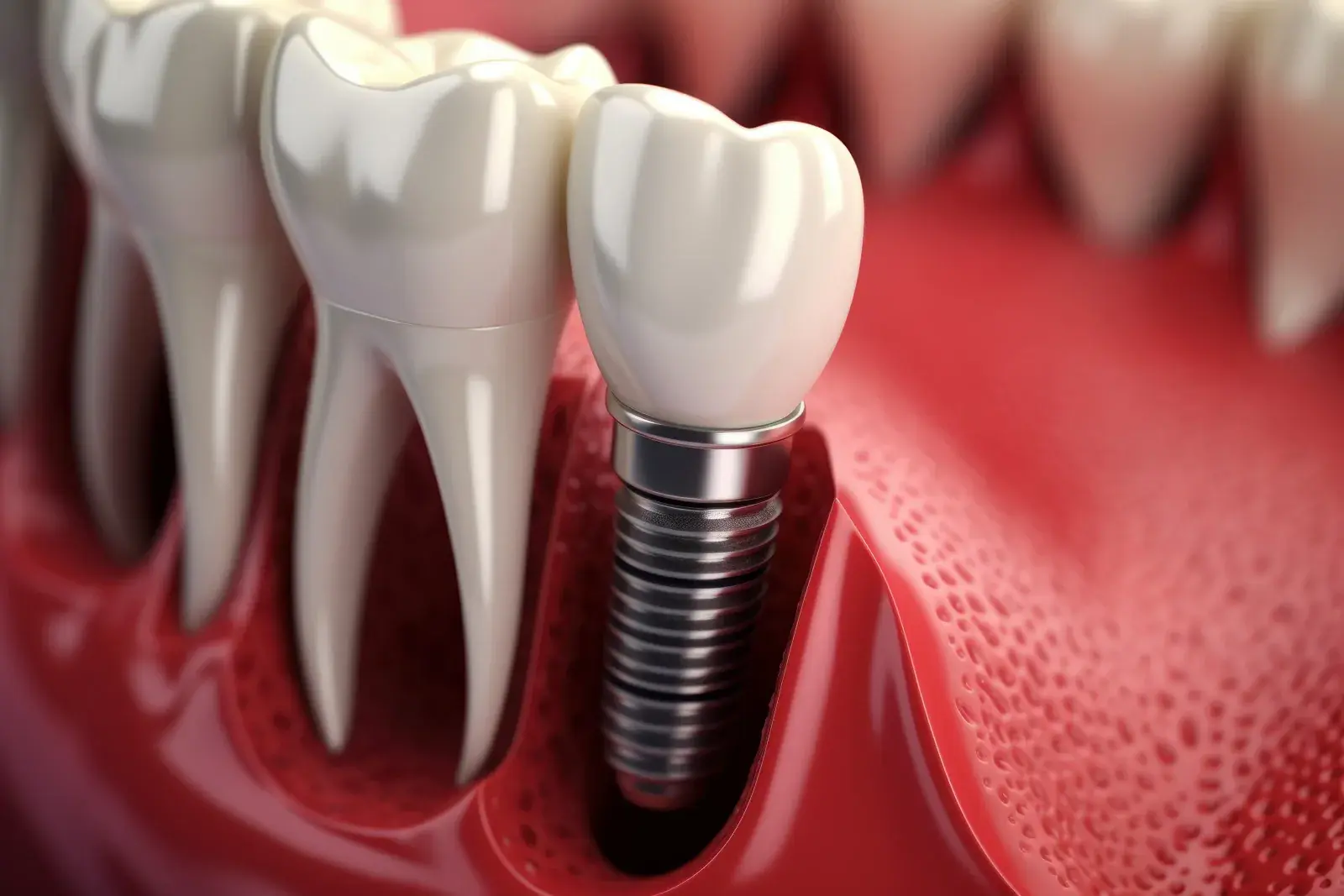
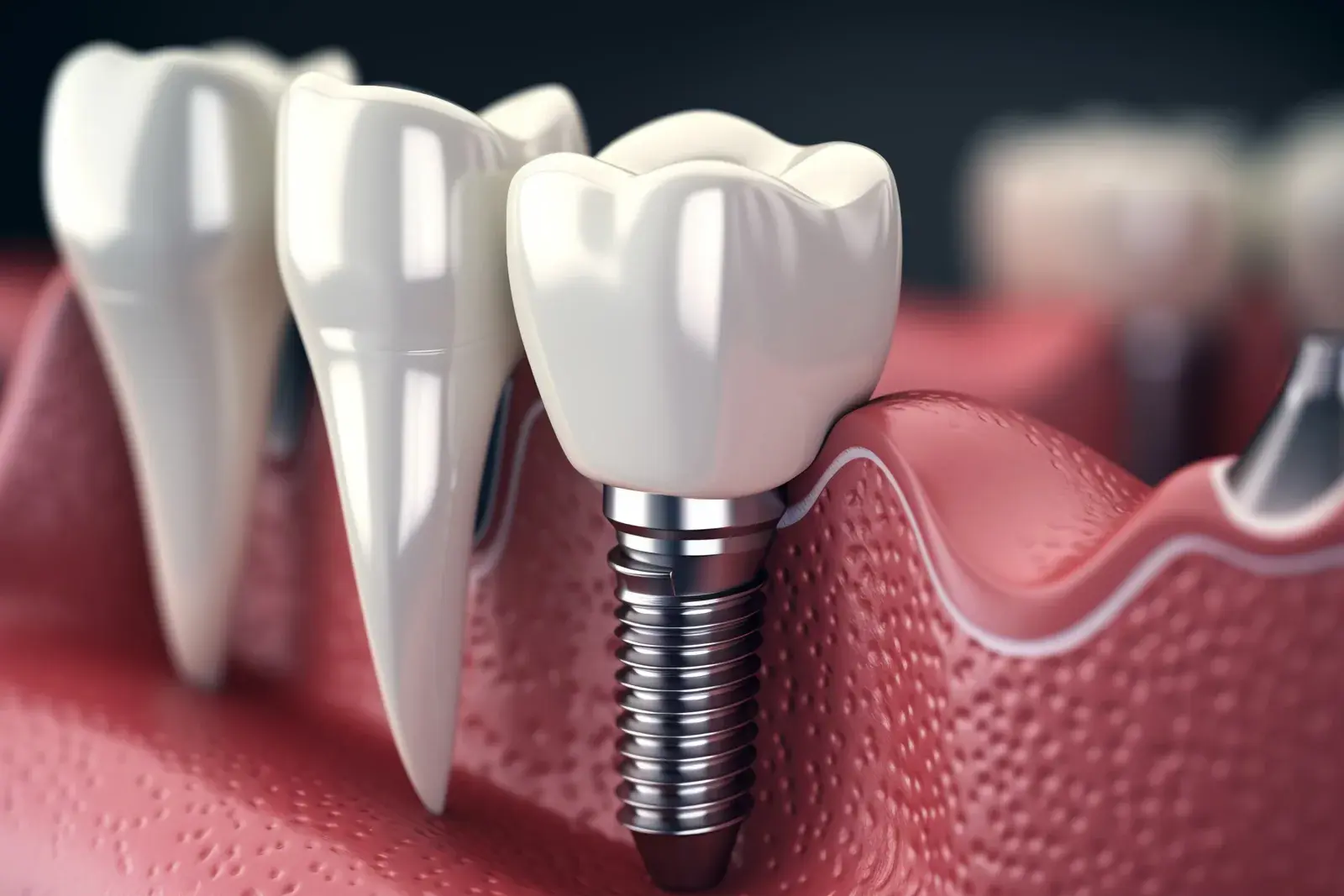
When significant bone loss has already occurred, ridge augmentation rebuilds the width and height of the alveolar ridge — the bony area that once held your teeth. This procedure involves placing bone graft material along the ridge and covering it with a protective membrane. Over several months, your body generates new bone that integrates with the graft, creating a solid base for implants.
Sinus Lift
For implants in the upper back jaw, the sinus cavity may be too close to the jawbone to allow safe implant placement. A sinus lift gently raises the sinus floor and places bone graft material beneath it, increasing the available bone height. This specialized procedure is essential for many patients seeking upper-jaw implants and has a very high success rate.
Recovery & What to Expect
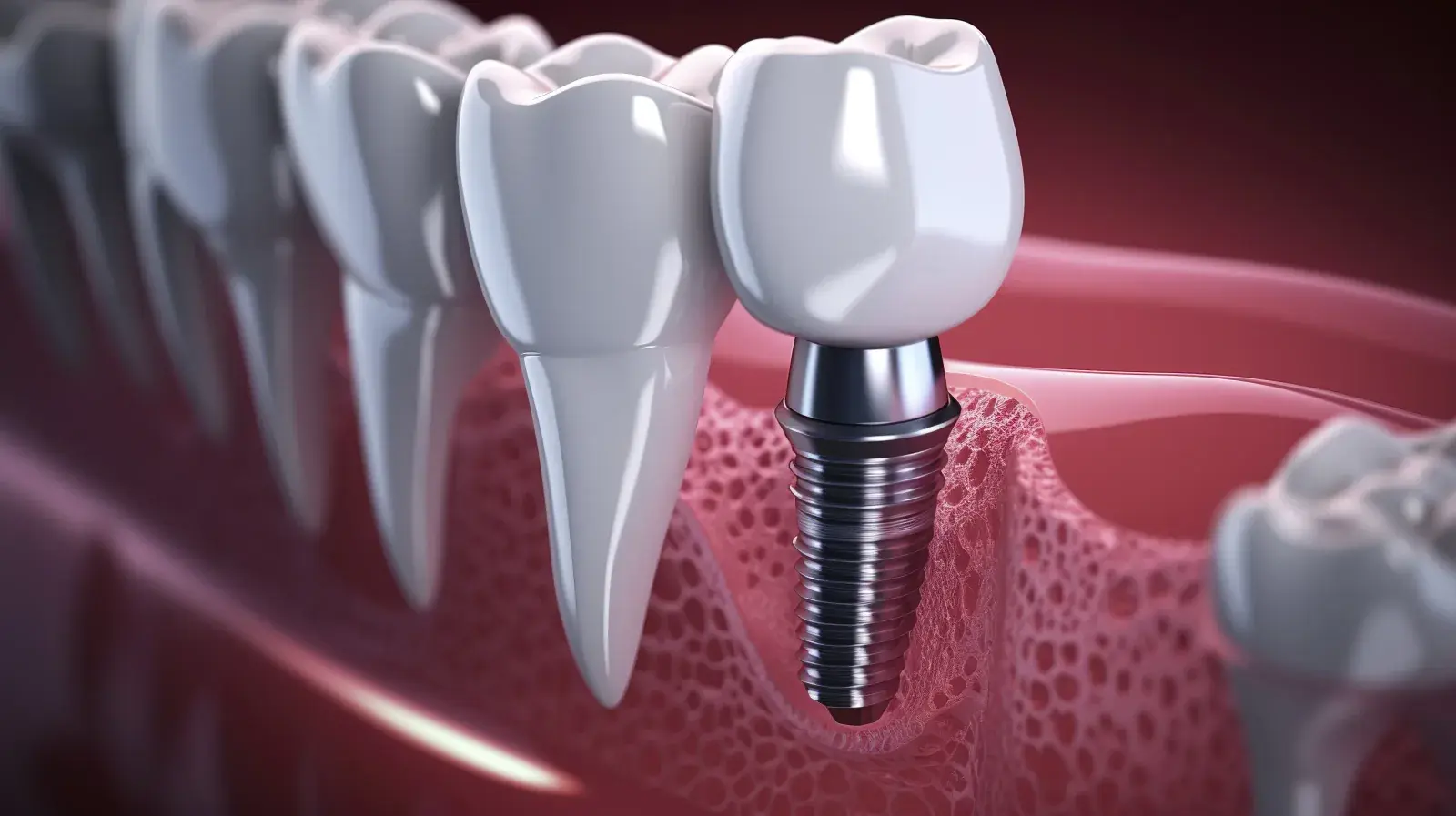
After your bone graft, expect mild swelling and discomfort for the first few days, manageable with prescribed medication. You will follow a soft-food diet temporarily and avoid strenuous activity. Most patients return to normal routines within a week. The full healing period of 3 to 6 months allows the graft to integrate completely before implant placement begins.
Benefits of Bone Grafting
What is Bone Grafting?
Bone grafting adds bone material to areas of jawbone that have deteriorated or lack sufficient density. This procedure is essential for patients who need dental implants but do not have enough bone to support them.
Factors Leading to Bone Loss
Bone Grafting Procedures
Bone Augmentation
Adding bone material to increase jawbone volume, providing a solid foundation for implants.
Sinus Lift
For patients with insufficient bone in the upper jaw, the sinus floor is raised to accommodate bone graft material.
Ridge Preservation
After tooth extraction to minimize bone loss and maintain the shape of the jawbone ridge.
What to Expect
Incision
Making a small incision in gum tissue to access the bone area.
Graft Placement
Placing the bone graft material into the targeted area.
Closure
Closing the incision with sutures to allow healing.
Most patients resume normal activities within a few days.
Why Choose Us
What Our Patients Say
“The team at London Square Dental is truly amazing! They listened to my concerns and helped me achieve the smile I've always dreamed of.”
— Emily R.
“The dentists made me feel so comfortable. They explained everything clearly and the results are beyond my expectations.”
— David B.
Related Services
Frequently Asked Questions
Is bone grafting painful?+
How long does recovery take?+
What are the risks?+
When can I get dental implants after bone grafting?+
Looking for an Affordable Family Dentist in Calgary?
Join 5,112 happy patients at London Square Dental Centre. Book a no obligation consultation today and receive a free professional whitening kit included with checkup and cleaning. Open 7 days a week with evening appointments available.
0% Financing Available