
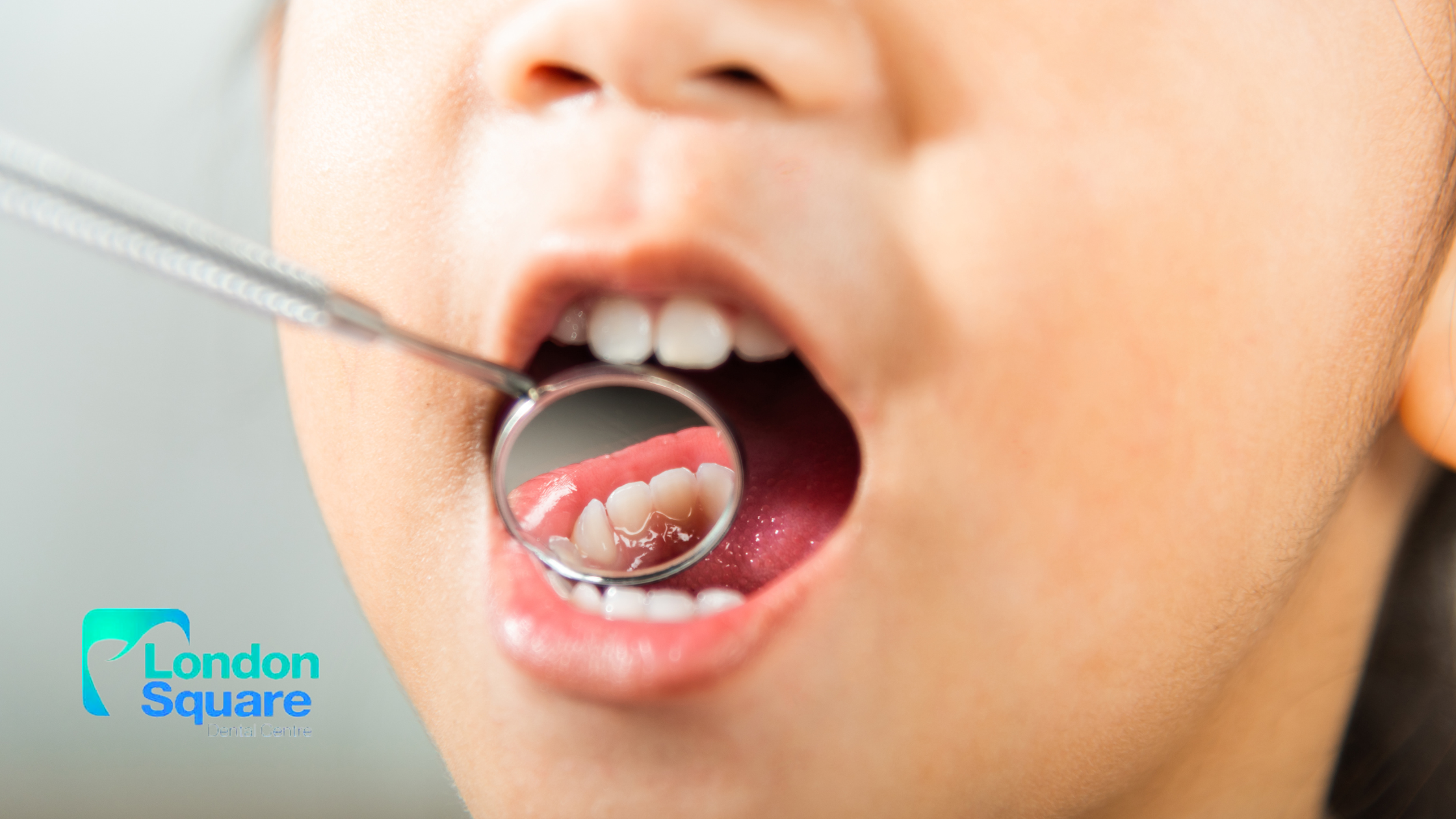
Many parents often overlook the importance of monitoring their child’s oral health, yet detecting potential issues early can lead to better outcomes. You should pay attention to signs such as […]
Many parents often overlook the importance of monitoring their child’s oral health, yet detecting potential issues early can lead to better outcomes. You should pay attention to signs such as persistent bad breath, mouth sores, or difficulty chewing, as these can indicate underlying problems.
Regular dental check-ups are vital, but you can also perform checks at home. By being vigilant and proactive, you can help maintain your child’s smile and overall health.
Key Takeaways:
- Changes in Behavior: Pay attention to signs such as increased irritability or refusal to eat, which may indicate discomfort from oral issues.
- Mouth Sensitivity: Observe if your child is showing sensitivity to hot, cold, or sweet food, as this can signify tooth decay or other dental problems.
- Oral Hygiene Habits: Monitor the effectiveness of your child’s brushing and flossing routine. Oral hygiene negligence could cause problems.
Understanding Oral Health Issues in Children
Before thinking about addressing specific concerns, it’s necessary to understand the nature of oral health issues in children. Young ones are particularly susceptible to various dental problems due to their developing teeth and varying oral hygiene practices.
Understanding these issues is vital for prevention and early detection, ensuring your child’s smile stays healthy. By being aware of the signs and symptoms, you can help maintain your child’s oral health and foster a positive attitude towards dental care.
Common Oral Health Problems
Understanding children’s common oral health problems can help you identify issues early on. These may include cavities, gum disease, bad breath, and tooth sensitivity.
Each condition has different causes and can affect your child’s overall well-being, making it imperative to stay vigilant about any changes in their oral health.
Risk Factors for Children
Any parent should be aware of risk factors contributing to oral health issues in children. These may include poor dental hygiene, sugary diets, prolonged use of pacifiers, and a lack of regular dental visits.
Additionally, children with certain medical conditions or who take specific medications may be at an increased risk. Familiarizing yourself with these factors can significantly impact your child’s oral health trajectory.
Health considerations are vital in safeguarding your child’s oral well-being. A few of the prominent risk factors include:
- Poor dental hygiene
- High sugar intake
- Prolonged bottle use
- Medical conditions affecting oral health
- Lack of routine check-ups
How to Identify Signs of Oral Health Issues
Observing your child’s mouth and behavior can help you catch problems before they escalate. Look for changes in oral hygiene habits, eating discomfort, or unusual sensitivity to hot or cold foods.
Taking immediate action can prevent serious long-term consequences for your child’s dental well-being.
Visual Indicators
One way to identify potential oral health issues is to examine your child’s mouth closely. Look for signs of discoloration, swelling, or unusual growths in the gums or teeth.
Persistent bad breath or visible plaque may suggest your child faces dental challenges. Regular check-ups with a dentist can help identify any concerns early on, providing a proactive approach to your child’s oral care.
Behavioral Signs
For many children, behavioral indicators can signal oral health issues before they are visible. Pay attention to changes in your child’s eating habits, such as sudden avoidance of certain foods or complaining about pain during meals.
They may exhibit signs of discomfort, like frequent covering of the mouth, excessive drooling, or difficulty speaking clearly. These behavioral changes can be your first hint that an oral health issue requires your attention.
If your child expresses reluctance to brush their teeth or shows signs of discomfort while doing so, this can indicate pain or underlying problems that need to be addressed. Similarly, frequently reaching for cold or soft foods may indicate dental sensitivity.
Look for irritability or changes in mood, as these may reflect discomfort caused by oral health issues. Based on these behavioral signs, prompt action can support your child’s oral health.
Tips for Parents
For parents, spotting signs of oral health issues early can significantly impact your child’s dental well-being. To help ensure good dental practices, consider these tips:
- Encourage children to brush their teeth twice daily with fluoride toothpaste.
- Limit sugary snacks and drinks to prevent cavities.
- Teach your child the importance of flossing.
- Make oral hygiene a fun and engaging routine.
After implementing these tips, you can significantly enhance your child’s oral health.
Encouraging Good Oral Hygiene
Make oral hygiene a family activity to create a positive and encouraging environment. Lead by example—brush and floss your teeth together with your children.
To make the experience enjoyable, use fun toothbrushes and flavored toothpaste. Praise your children for their efforts, and establish a consistent routine that promotes lifelong good dental habits.
Regular Dental Check-Ups
The importance of regular dental check-ups cannot be overstated. These visits allow the dentist to monitor your child’s oral health, catch any potential issues early, and provide professional cleaning.
Ensuring that your child visits the dentist every six months can help maintain optimal oral health, reduce the risk of cavities, and establish a positive relationship with dental care. During regular check-ups, your dentist will not only check for signs of decay but will also provide guidance on proper oral care techniques tailored for your child.
These visits can also strengthen your child’s understanding of oral health education, making them more likely to value their dental health. Skipping appointments could result in undetected problems, leading to difficulties such as pain, infection, or complicated treatments in the future.
Establishing a routine of check-ups helps ensure your child remains cavity-free and develops healthy habits early on.
When to Seek Professional Help
It’s vital to seek professional help if you notice persistent issues. If your child experiences severe pain, prolonged bleeding, or signs of infection like tenderness and swelling, contacting a dentist immediately can prevent further complications.
Regular dental check-ups are also important, even if there are no visible concerns, as early detection can help avoid more significant problems down the line.
Recognizing Urgent Situations
When your child has a tooth that has been knocked out, a severe toothache, visible swelling in the gums, or signs of infection, such as fever or discomfort, these situations require immediate attention. Physical trauma, such as accidents or falls, can lead to serious issues that need prompt dental intervention.
Choosing the Right Dental Professional
A good pediatric dentist will have specialized training that addresses the unique dental needs of children, and has a friendly approach to help your child feel comfortable. You might also want to consider their office atmosphere—a welcoming space can significantly reduce anxiety in young patients.
Professional credentials are important, but also consider reading reviews from other parents. Assess their approachability and willingness to answer your questions, as this can enhance your child’s experience.
Choosing a dentist who is passionate about children’s oral health can make all the difference in guiding your little one towards a lifelong positive attitude toward dental care.
Prevention Strategies
Regular dental check-ups, consistent oral hygiene practices, and a balanced diet play key roles in safeguarding your child’s teeth and gums. By fostering positive habits early on, you can help your child develop good oral hygiene habits and enjoy a lifetime of healthy smiles.
Nutrition and Diet
While a well-balanced diet is crucial for your child’s overall health, it’s equally important for their oral health. Foods rich in vitamins and minerals like fruits, vegetables, and lean proteins support strong teeth and gums.
Limiting sugary snacks and beverages can prevent tooth decay, making healthier choices vital for your child’s future.
Fluoride and Sealants
Significant evidence supports the benefits of fluoride treatments and dental sealants in protecting your child’s teeth. These preventive measures strengthen the enamel and form a barrier against cavities.
Fluoride application helps remineralize tooth enamel and reduce the risk of decay, while dental sealants provide a protective coating on the chewing surfaces of your child’s molars. Sealants can reduce the risk of cavities by up to 80%, which makes them a highly effective preventive tool.
Discussing these options with your dentist can help your child receive the best protection against oral health issues.
Educating Children on Oral Health
After introducing your child to the basics of oral hygiene, it’s essential to continue educating them on the importance of maintaining good oral health. Engaging them in discussions about why regular brushing and flossing are important can help foster a lifelong commitment to maintaining their smiles.
Use age-appropriate language and visuals to illustrate the benefits of healthy teeth and gums, emphasizing how these habits can lead to a happier, healthier life.
Making Oral Care Fun
With a little creativity, you can transform oral care routines into enjoyable activities. Use colorful toothbrushes, flavored toothpaste, and fun songs to make brushing an entertaining experience.
Consider incorporating games or challenges like timing how long they brush to keep your child engaged and excited about their dental care.
Teaching Healthy Habits
Even the best techniques for oral care won’t matter if your child doesn’t develop healthy habits. Instilling daily routines such as brushing twice and flossing daily can be critical for long-term oral health.
Constantly reiterate the importance of a balanced diet low in sugary snacks, as this can significantly impact their dental well-being. Involve them in planning nutritious meals and snacks, highlighting the role of foods like fruits, vegetables, and dairy in keeping teeth strong.
Also, encourage them to drink water instead of sugary drinks, as excess sugar can lead to cavities. Establishing these habits early will help your child make better choices as they grow, resulting in a healthier mouth and body.
Conclusion
Following this guide, you can effectively spot signs of oral health issues in your children. Watch for changes in their eating habits, abnormal tooth color, persistent bad breath, or discomfort while chewing.
Regular dental check-ups will also aid in early detection. By staying vigilant and informed, you empower yourself to address potential concerns before they escalate, ensuring your child’s oral health is prioritized.
Early detection of oral health issues is key to preventing long-term problems. Regular check-ups with a trusted pediatric dentist can help maintain your child’s healthy smile. If you’ve noticed any signs of dental concerns, don’t wait—schedule a children’s dental check-up at London Square Dental today!
Need Help With This?
Our team at London Square Dental is here to answer your questions and provide personalized care.