You may not think about it often, but the lifespan of your sports mouthguard plays a crucial role in protecting your oral health during physical activities. Over time, mouthguards can […]
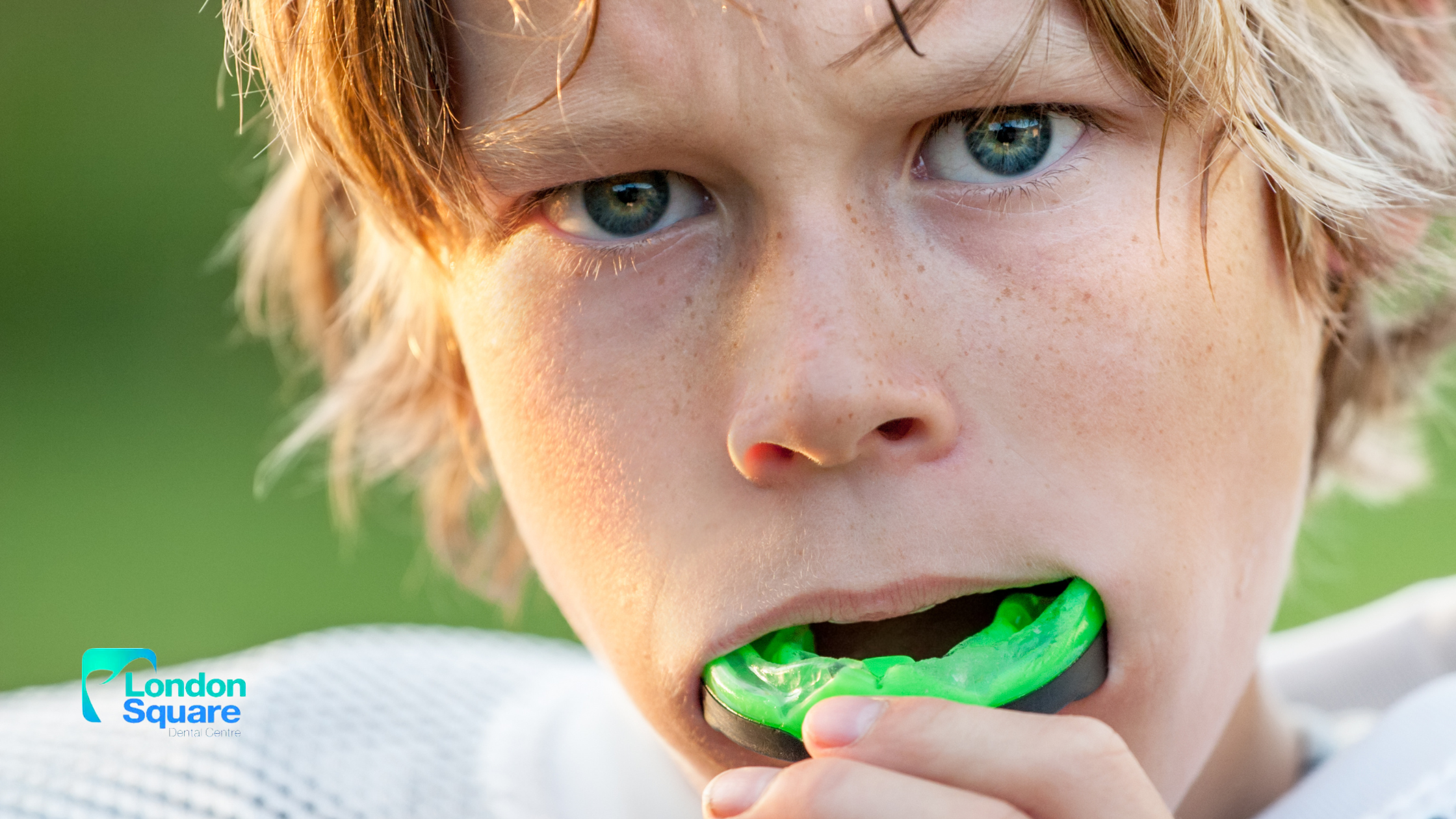
You may not think about it often, but the lifespan of your sports mouthguard plays a crucial role in protecting your oral health during physical activities. Over time, mouthguards can wear down, lose their cushioning, or become less effective at protecting your teeth and gums.
Understanding how frequently you should replace your mouthguard can help you avoid unnecessary injuries and ensure optimal safety while you play. This guide outlines key signs that indicate it’s time to replace your mouthguard and provides a general timeline to help you maintain optimal protection.
Key Takeaways:
- Replace your sports mouthguard every six months or sooner if it shows signs of wear.
- Proper care and storage can extend a mouthguard’s lifespan and effectiveness.
- Investing in high-quality or custom-made mouthguards offers better protection and long-term value.
The Lifespan of a Sports Mouthguard: What You Need to Know
The lifespan of a sports mouthguard typically ranges from six months to one year, depending on usage and care. Factors such as the intensity of activity, storage conditions, and the type of materials used in your mouthguard all play significant roles in determining how long it will reliably protect your teeth and gums.
Regular inspections and mindful maintenance can help extend its usability, ensuring you have adequate protection during sports activities.
“Think of your mouthguard like any other piece of essential sports equipment—it needs routine care and timely replacements, just like a helmet or cleats, to keep performing at its best.” – Dr. Daniel Lee, Dentist in Calgary, AB
According to the Canadian Dental Association, mouthguards should be inspected regularly and replaced at least once per sports season or when any signs of damage appear.
Material Durability and Degradation
Your sports mouthguard’s material significantly influences its durability. Most mouthguards are crafted from thermoplastic or ethylene vinyl acetate (EVA), which can wear down or become less effective over time. Exposure to moisture, heat, and constant impact can cause these materials to degrade, leading to diminished protection.
Regularly check your mouthguard to assess any changes in its texture or flexibility, as these can indicate a loss in its protective qualities.
“A mouthguard that feels sticky or less resilient when bent is often a sign that the material is breaking down. Replacing it at this stage can prevent injuries during high-impact activities.” – Dr. Daniel Lee, Dentist in Calgary, AB
Signs Your Mouthguard Needs Replacing
Being vigilant about the condition of your mouthguard can prevent issues down the line. Look for signs like cracks, tears, or distortions that affect its fit. A mouthguard that smells unpleasant, feels rough, or has visible wear should be replaced immediately.
Discoloration can also signal bacterial buildup, which compromises hygiene and increases the risk of oral infections.
In addition to visual inspections, consider how your mouthguard feels during use. If it feels loose or uncomfortable, or if it causes gum or tooth pain, it may be worn out.
Over time, a mouthguard can lose its initial form and effectiveness, even if it doesn’t display overt signs of damage. Prioritize your dental safety by replacing your mouthguard once it shows any signs of wear or becomes less effective in protecting your mouth during sports.
Regular evaluations can help maintain your dental health and performance on the field or court.
The Impact of Usage Frequency on Mouthguard Longevity
Your mouthguard’s longevity is directly affected by how frequently you use it. Participating in high-contact sports regularly will naturally lead to increased wear and tear, significantly reducing its lifespan.
For athletes who train or compete multiple times a week, replacing your mouthguard every six months may be necessary to maintain optimal protection and comfort.
Individuals who engage in non-contact sports or use their mouthguard infrequently may find that their mouthguard lasts closer to three years, depending on the care it receives.
Variability Among Sports: Contact vs Non-Contact
Personal Habits: Hygiene and Care Practices
Your personal habits surrounding mouthguard hygiene and care can greatly influence its lifespan. Regularly cleaning your mouthguard after each use, storing it in a protective case, and avoiding exposure to high temperatures are all vital practices that can stave off deterioration and maintain its shape and effectiveness.
The more diligent you are with cleaning and storage, the longer your mouthguard will last.
When Replacement Becomes Critical
Your mouthguard may need replacement sooner than anticipated based on its condition and performance. If you notice significant wear, such as fraying, cracks, or poor fit, it’s time to consider a new one.
Regular inspections can help you determine if your mouthguard is still providing adequate protection. This step is particularly important if you engage in high-impact sports where the risk of dental injury is higher.
Trust your instincts; if your mouthguard feels off, it might be an indicator that replacement is critical.
Understanding the Risks of Keeping an Old Mouthguard
Holding onto an outdated mouthguard exposes you to unnecessary dental hazards. Worn mouthguards lose their cushioning ability, significantly reducing protection against impacts.
Continuing to use an old or damaged mouthguard increases your risk of chipped or broken teeth, jaw injuries, and even concussions—especially in contact sports like hockey, football, or lacrosse. Additionally, old mouthguards can harbor bacteria and promote oral health issues, leading to serious medical conditions that may require costly treatments.
Professional Recommendations from Dentists and Coaches
Both dentists and sports coaches advocate for the timely replacement of mouthguards. Most dentists recommend replacing your mouthguard at least every six months, especially for athletes engaged in rigorous contact sports.
“Custom-fit mouthguards not only last longer but also offer significantly better protection, making them a worthwhile investment for athletes who want to balance both safety and performance.” – Daniel Lee, Dentist in Calgary, AB
Coaches agree that players using poorly maintained or outdated mouthguards could compromise their performance and safety. Regular check-ins with your dentist ensure your mouthguard is effective in meeting current needs, particularly as your mouth and teeth change over time due to growth or orthodontic treatments.
According to the Canadian Dental Association, highly active individuals should have their mouthguards evaluated by a dentist at least once a season. Custom-made guards are particularly recommended for their fit and durability.
During consultations, you can identify signs of wear on your mouthguard and better understand when to replace it, ensuring that you stay in the game while safeguarding your oral health. A proactive approach can save you from expensive injuries and help maintain your overall well-being.
Budgeting for Replacement Mouthguards: Cost vs Benefit
Assessing the long-term worth of sports mouthguards can significantly influence your budgeting decisions. Although lower-priced options may seem appealing, weighing the potential savings against the risk of injuries and replacement costs will guide your investment.
Top-quality mouthguards, while more expensive upfront, often provide superior protection and durability, minimizing the need for frequent replacements and potential dental injuries that can lead to costly treatments.
In Canada, custom-made mouthguards from a dental clinic can cost between $150 and $300, but they often last longer and provide more reliable protection than store-bought options.
Weighing the Costs of Frequent Replacements
Although cheaper mouthguards may save you money at first, the cost of frequent replacements can add up over time. A low-cost option might only last a few months, prompting multiple purchases throughout the season, which can ultimately drain your budget.
By contrast, investing in a higher-quality mouthguard can yield significant savings, as it typically endures longer, requires fewer replacements, and offers enhanced safety against dental injuries.
Product Quality: Investing in Better Mouthguards
Opting for higher-quality mouthguards means improved materials and craftsmanship, translating to better performance and comfort. Premium mouthguards often use advanced designs, ensuring a more precise fit and superior shock absorption.
Additionally, the investment in a better product reduces the likelihood of dental emergencies. Research indicates that athletes wearing well-made mouthguards experience fewer oral injuries, underscoring the value of prioritizing quality in your mouthguard selection.
Innovations in Mouthguard Technology and Their Benefits
Advancements in mouthguard technology have significantly improved safety and comfort for athletes. Innovations such as impact-absorbing materials, moisture-wicking fabrics, and built-in breathing channels make mouthguards not only more effective in protecting your teeth and jaw but also easier to wear during intense activities.
These high-tech designs cater specifically to the demands of various sports, ensuring that you can focus on performance without compromising on safety.
The Role of Custom-Made Mouthguards
Custom-made mouthguards offer a tailored fit that provides enhanced protection compared to generic options. Created from precise dental molds of your teeth, these mouthguards ensure optimal coverage and retention, reducing the risk of slipping during play.
The personalized nature of these mouthguards also results in greater comfort, allowing you to wear them for extended periods while participating in your sport.
Emerging Materials and Designs for Enhanced Protection
Recent advancements in materials science have led to the emergence of innovative mouthguard designs that offer enhanced protection. Manufacturers are now utilizing non-toxic thermoplastic elastomers and advanced composites that feature superior shock absorption properties.
Additionally, 3D printing technology allows for the rapid prototyping of complex designs, making it easier to create mouthguards that are not only lightweight but also provide a snug fit for various bite configurations.
Emerging materials and designs prioritize both durability and comfort while ensuring maximum protection against impacts. For instance, the use of multi-layered constructions enhances energy dispersion during collisions, significantly lowering the likelihood of dental injuries.
Companies are also exploring the integration of smart technology, enabling features such as real-time impact monitoring. These innovations represent a significant leap forward in mouthguard technology, catering to the evolving needs of athletes across different sports disciplines.
Final Words
To ensure maximum protection for your teeth and jaw, replace your sports mouthguard regularly—ideally every season or at least every six months, depending on how much wear it experiences. Generally, you should replace it every season or every six months, based on the amount of wear and tear it endures.
Be vigilant for any indications of damage, such as cracks or an unpleasant odor. Maintaining a fresh mouthguard enhances safety and improves comfort during your athletic activities, allowing you to perform at your best. Prioritizing the health of your teeth is always a wise choice.
Protect Your Smile with the Right Mouthguard—Book Your Appointment Today
If you or your child wears a sports mouthguard, regular dental checkups are key to ensuring it still fits properly and offers the protection you need. At London Square Dental in Calgary, we can assess your current mouthguard and recommend when it’s time for a replacement. Don’t wait until damage or discomfort puts your oral health at risk.
Visit us at 3545 32 Ave NE Unit 230, Calgary, AB
Ready to book? Contact us today to schedule your consultation and keep your teeth safe on and off the field.
Reviewed by: Dr. Daniel Lee
Need Help With This?
Our team at London Square Dental is here to answer your questions and provide personalized care.